Insights

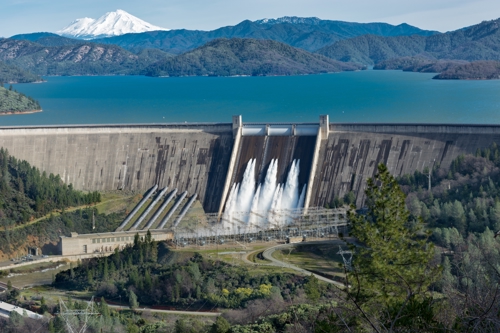
Across the built environment, hydraulic engineering is quietly becoming one of the most critical, and most challenged, disciplines shaping our cities, infrastructure, and future resilience.
From urban flood management to water supply systems, stormwater design, and climate adaptation strategies, hydraulic engineers sit at the centre of some of the industry’s most pressing issues. Yet, despite its importance, the discipline is facing growing complexity, shifting expectations, and increasing uncertainty.
Early insights from our upcoming report suggest that over 70% of professionals believe current design approaches are being stretched beyond their original intent, raising serious questions about long-term resilience.
So what’s really happening beneath the surface?
A Perfect Storm of Challenges
Hydraulic engineering is no longer just about pipes, flows, and drainage calculations. Today, professionals are navigating a landscape defined by:
1. Climate Variability and Unpredictability
Design standards are being pushed beyond their limits. Historical data is becoming less reliable, while extreme weather events are becoming more frequent, and more severe. In fact, nearly two-thirds of respondents highlighted climate uncertainty as their biggest design challenge.
2. Ageing Infrastructure
Across many regions, existing water systems were never designed for current population demands or climate realities. Retrofitting and upgrading infrastructure is complex, costly, and often reactive rather than proactive - with over half of professionals reporting that they are regularly working with systems approaching or exceeding their design life.
3. Urbanisation Pressure
Rapid urban growth is increasing impermeable surfaces, intensifying runoff, and putting strain on already stretched stormwater systems. The balance between development and sustainable water management is becoming harder to maintain.
4. Fragmented Decision-Making
Hydraulic considerations are often brought in too late in project lifecycles. According to early findings, a significant portion of engineers feel their input is not fully integrated during early planning stages, limiting the effectiveness of solutions.
5. Skills and Knowledge Gaps
As challenges evolve, so too must the skills required to address them. Yet many professionals are navigating these changes without clear guidance, shared standards, or visibility into how others in the industry are responding.
The Bigger Question
The real issue isn’t whether these challenges exist - it’s how the industry is responding to them.
Are current approaches still fit for purpose?
- Where are the biggest gaps between expectation and reality?
- What are professionals on the ground experiencing right now?
- And most importantly - what needs to change?
What We Set Out to Understand
Our upcoming Hydraulic Engineering Report dives into these exact questions.
Built on real industry insights, voices, and experiences, the report explores:
- The barriers professionals are facing today
- The pathways being considered for future resilience
- The perspectives shaping decision-making across the built environment
Early insights already reveal a clear trend: while challenges are widely understood, there is less alignment on how to address them - highlighting a critical gap between awareness and action.
But more importantly, it brings together what the industry itself is saying - not just what is assumed.
What Comes Next
The challenges are clear. The pressure is building. And the need for better, more informed approaches has never been greater.
The answers, and the direction forward, are not simple. But they are emerging.
From shifting design philosophies to new approaches in collaboration and planning, the industry is beginning to respond, but what does that actually look like in practice?
That’s exactly what our full report unpacks.
Join the Waitlist
Be the first to access the insights, perspectives, and practical direction shaping the future of hydraulic engineering.
Because understanding the challenges is just the beginning - knowing how the industry is responding is what comes next.