Insights

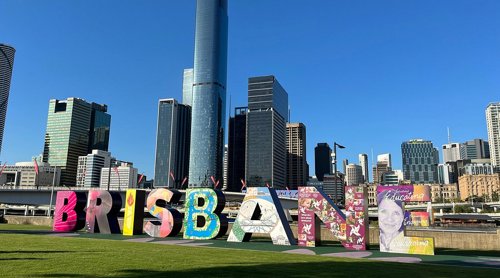
Something significant is happening in Brisbane's engineering market right now. Project pipelines are expanding at a pace not seen in generations, skilled candidates are making interstate moves, and employers who acted early are filling roles faster than their competitors. Those who haven't are starting to feel it.
This isn't a trend on the horizon - it's already underway. Here's what's driving it, what it means for engineers thinking about their next move, and what hiring businesses need to know before the talent window tightens further.
The Numbers Behind the Boom
Queensland's infrastructure pipeline is extraordinary in scale. The state government has committed to delivering more than $116.8 billion in capital projects over the next four years - spanning transport, public works, renewable energy, and preparations for the 2032 Brisbane Olympics.
To deliver on that pipeline, an estimated 122,600 construction workers will be needed - with labour shortages projected to peak at over 50,000 workers between 2026 and 2027. This isn't just a trades issue. Engineers, project managers, sustainability consultants, and building services professionals are all part of that equation.
The result? Brisbane's construction cost escalation is forecast at 7.5% in 2026 - higher than any other Australian capital. That cost gap is a direct reflection of demand outpacing supply in South East Queensland specifically, and signals just how much activity is concentrated in the region right now.
What's Driving the Demand
The Brisbane boom isn't one project or one sector - it's a convergence of several major forces hitting at the same time.
The 2032 Brisbane Olympics
Olympic infrastructure investment goes far beyond stadiums. Transport upgrades, precinct redevelopments, accommodation, and public realm works are all part of the pipeline. Projects of this scale typically create sustained demand for engineering talent across multiple disciplines for years before and after the event.
Cross River Rail
At $5.4 billion, Cross River Rail is Queensland's largest public transport project - 10.2km of twin underground tunnels and four new underground stations. It's creating sustained demand for civil and structural engineers, project managers, and MEP professionals across the city.
South East Queensland Housing Target
Brisbane needs to deliver more than 210,800 new homes by 2046 to keep pace with population growth. Multi-unit construction in Queensland is expected to nearly double from approximately 11,800 units in 2023–24 to 23,600 by 2026–27. That translates directly into demand for building services engineers, hydraulic engineers, structural teams, and ESD consultants on residential and mixed-use projects.
Renewable Energy & Public Infrastructure
Healthcare capacity expansion, renewable energy projects, and transport upgrades are competing for the same skilled workforce at the same time. This multi-sector convergence is what makes the Brisbane market genuinely different from previous construction cycles.
What This Means for Engineers
For engineering professionals, the Brisbane market in 2026 presents a genuine opportunity - particularly for those who are open to where their next chapter takes them, or who want to work on infrastructure projects at this scale.
Building services engineers, civil engineers, structural engineers, and project managers with 3–10 years of experience are among the most sought-after profiles right now. Employers are actively competing for mid-level talent, which means:
- Salary benchmarks are moving upward, especially for candidates with specialist skills
- More flexibility in role structure - contract, permanent, and hybrid arrangements
- Faster progression timelines as firms grow their teams quickly
- Exposure to landmark projects that are genuinely career-defining
For engineers considering a move, it's also worth factoring in the lifestyle equation. Brisbane's cost of living, liveability, and the sheer variety of landmark projects on the table make it an increasingly attractive base — and one that's drawing talent from across Australia and internationally.
What This Means for Employers
The opportunity cuts both ways - but so does the risk. Employers in Brisbane who are slow to move on strong candidates are already losing them to competitors.
A few patterns we're seeing in the market right now:
- Offer timelines matter more than ever. Candidates with the right profile are fielding multiple approaches simultaneously. If your process runs to eight or ten weeks, you're not competing effectively.
- Salary expectations have shifted. What you paid for a mid-level mechanical engineer or project manager 18 months ago is no longer the market rate. Benchmarking against current data — not last year's — is essential.
- Retention offers are becoming more common. As the market tightens, candidates with strong track records are receiving counteroffers. Building genuine career pathways and reviewing remuneration proactively is the better strategy.
- Interstate and international talent is in play. Given the scale of Brisbane's pipeline, employers willing to support relocation are opening up a significantly wider talent pool than those limiting searches locally.
The firms best positioned going into the second half of 2026 are the ones that started hiring six months ago. The next best time is now.
The Sectors to Watch
Not all disciplines are experiencing equal demand. Based on current activity across Connexus's Brisbane network, the roles with the most hiring momentum right now include:
- Building Services Engineers (Mechanical & Electrical) - consistently in demand across consultancy and contractor environments
- Civil Engineers - particularly for transport, drainage, and land development work
- Client-Side Project Managers - as government and institutional clients ramp up capital works programs
- ESD & Sustainability Consultants - Queensland's green building pipeline is growing alongside the broader construction surge
- BMS Engineers - smart buildings demand is accelerating alongside new commercial and mixed-use developments
Frequently Asked Questions
Is Brisbane's construction boom expected to continue beyond 2027?
Yes. Long-duration infrastructure projects are scheduled to absorb labour and materials through to at least 2032, anchored by the Olympics pipeline. The housing shortfall - which requires more than 210,000 new homes by 2046 - also means residential construction demand has structural legs well beyond the current cycle.
What types of engineering roles are most in demand in Brisbane right now?
Building services engineers (mechanical and electrical), civil engineers, project managers, ESD consultants, and BMS engineers are all seeing strong demand. Mid-level professionals with 3–10 years of experience are particularly sought after as firms scale up their delivery teams.
Should I consider relocating to Brisbane as an engineer?
If you're at a point in your career where you're looking for stronger project exposure, upward movement, or a change in lifestyle, Brisbane's current market makes a compelling case. The combination of landmark projects, a growing talent community, and a more affordable lifestyle is attracting engineers from across Australia and internationally.
Thinking About Brisbane?
Whether you're an engineer weighing your options or a business planning your next hire, Connexus Recruitment's team has deep roots in Queensland's built environment market. We work across Building Services, Civil and Structural Engineering, ESD & Sustainability, Construction, and Project Management - and we understand the Brisbane market from the inside.
Browse our current Brisbane roles at connexusrecruitment.com.au/find-jobs or get in touch with our team directly to talk through what's possible.